
Federal funding and policy

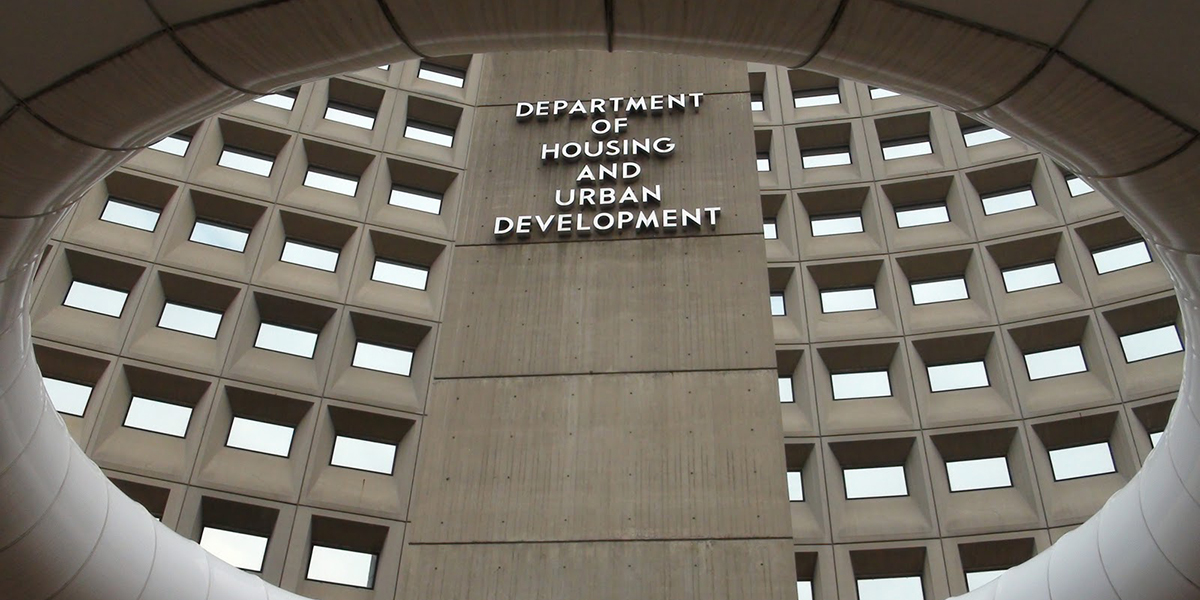
KCHA is not a federal agency, but we receive federal funding through the US Department of Housing and Urban Development (HUD). This funding is determined by the US Congress. Learn more about the impact of federal funding and policy on KCHA and the people we serve below.
2027 Federal Budget

The budget for the 2027 federal fiscal year has not yet been approved by Congress, and any program changes will need to be decided through the Congressional appropriations process. Learn more about the federal budget process.

Although the federal fiscal year ended on September 30, Congress has passed a continuing resolution to fund the federal government through December 11, 2026. 

KCHA is monitoring the process and in regular contact with federal lawmakers to urge full funding for rental assistance, building maintenance, and resident supports.

2026 Federal Budget

On February 2, 2026, Congress passed a budget that includes funding for HUD’s housing programs through September 2026, which is the end of the federal fiscal year.

The 2026 HUD funding package includes $77.3 billion for HUD programs in all 50 states and US territories, an increase from last year. KCHA uses our share of federal funding to operate many of the housing programs found on this website. 

Citizenship Status & Housing Eligibility

Under federal law, individuals without US citizenship or eligible immigration status cannot receive housing assistance through programs like Housing Choice Vouchers and Public Housing.

HUD’s long-standing “mixed status rule” allowed families with both eligible and ineligible members to stay together by providing reduced (prorated) housing assistance based only on the eligible members, instead of denying assistance for the entire household. 

HUD finalized a new rule on Nov. 12, 2026, to change the way mixed status households are treated. The new rule requires a new verification of citizenship or eligible immigration status for every person in a household in order for the family to receive any assistance at all.

KCHA is reviewing the rule and will reach out directly to affected households.

Households with mixed immigration statuses who believe they might be affected should seek advice from an immigration attorney or qualified non-profit agency. Local resources include the Washington Immigrant Solidarity Network, the NW Immigrant Rights Project, ReWA, King County Libraries Welcoming Centers, and King County SCOPE.

Emergency Housing Vouchers (EHVs)

EHVs were provided to people who were experiencing homelessness during the COVID-19 pandemic. EHVs were paid for by temporary American Rescue Plan funds. KCHA currently serves about 540 households with these vouchers.

In March 2025, HUD told KCHA that federal funding for EHVs will run out in 2026 instead of in 2030. Then, in September 2026, HUD was authorized to transition households using EHVs for a lease as of September 30, 2026, to a different type of voucher,called Tenant Protection Vouchers.  

KCHA is working directly with people who have EHVs to transition to Tenant Protection Vouchers so that they can stay housed. If you have an EHV through KCHA, please contact your housing specialist.  

What Does Housing Assistance Mean to You?

We want to hear from you!

Email media@kcha.org to share your story of how housing stability and the services KCHA provides have helped you, and what having a home means for you and your family. We might use your story on social media or to help advocate for federal funding.

You can call your congressional representatives at 202-224-3121 to tell them to support full funding for housing programs. You can also look up contact information for your elected officials at www.usa.gov/elected-officials.