
Development and revitalization
KCHA builds, buys, and preserves affordable rental homes across King County—creating stable communities where people at every income level can thrive.
KCHA builds, buys, and preserves affordable rental homes across King County—creating stable communities where people at every income level can thrive.
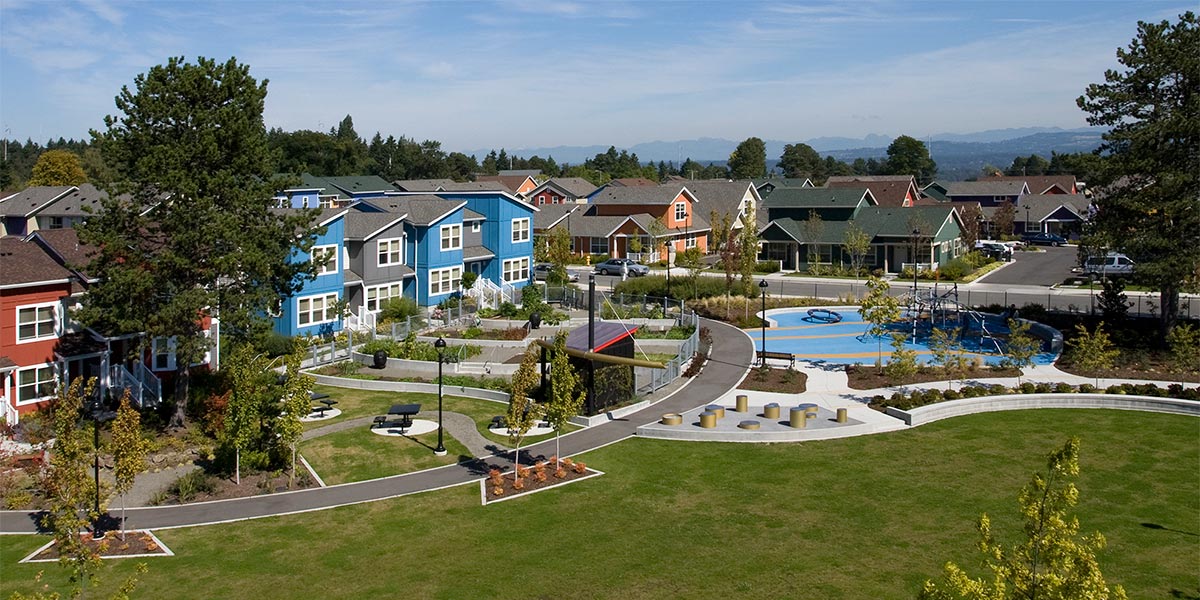
KCHA is a leader among housing authorities for the ways we finance and develop low-income and middle-income affordable housing. We continue to seek out new ways to develop properties, enhance communities, and expand our portfolio. In addition to directly creating and preserving housing, we also help finance and develop affordable housing owned or operated by nonprofit, for-profit, and public partners.
To preserve existing affordable housing for the long-term, KCHA acquires and improves privately owned properties. With new construction, KCHA supports specific populations, such as seniors, people with disabilities, and those who need assisted living facilities. KCHA also plays an important role in transit-oriented development, especially on the county’s east side.
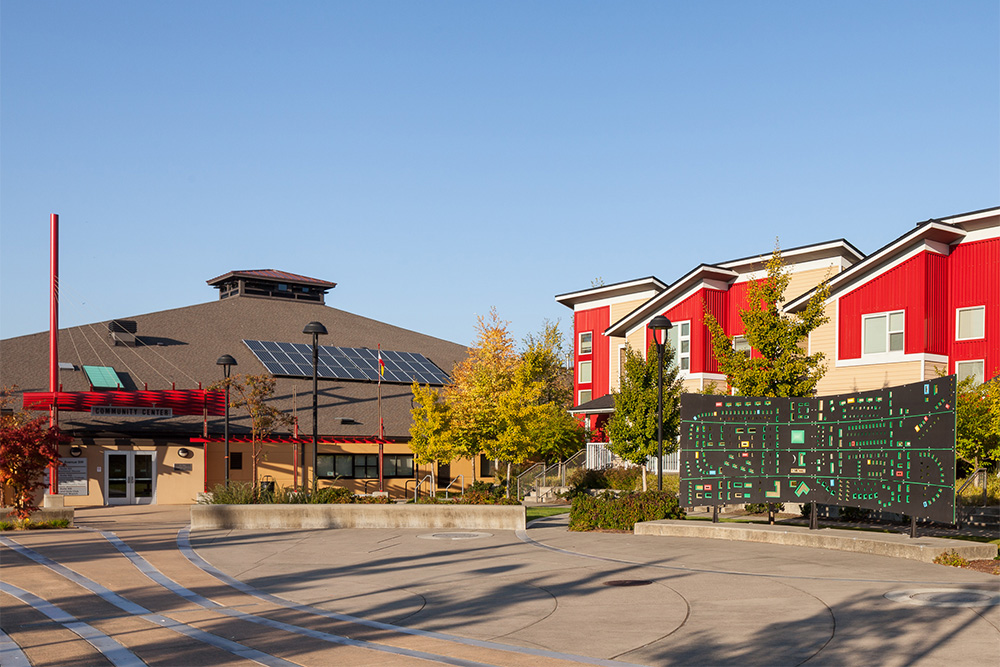
In 2021, KCHA completed three low-income housing tax credit projects, Abbey Ridge, Bellevue Manor, and Woodland North, by leveraging private and public sources of financing for $40 million in capital improvements and rehabilitation. We continue to make critical improvements to other public housing properties throughout King County as well. KCHA has also developed a network of community centers to provide supportive services directly where low-income residents live.
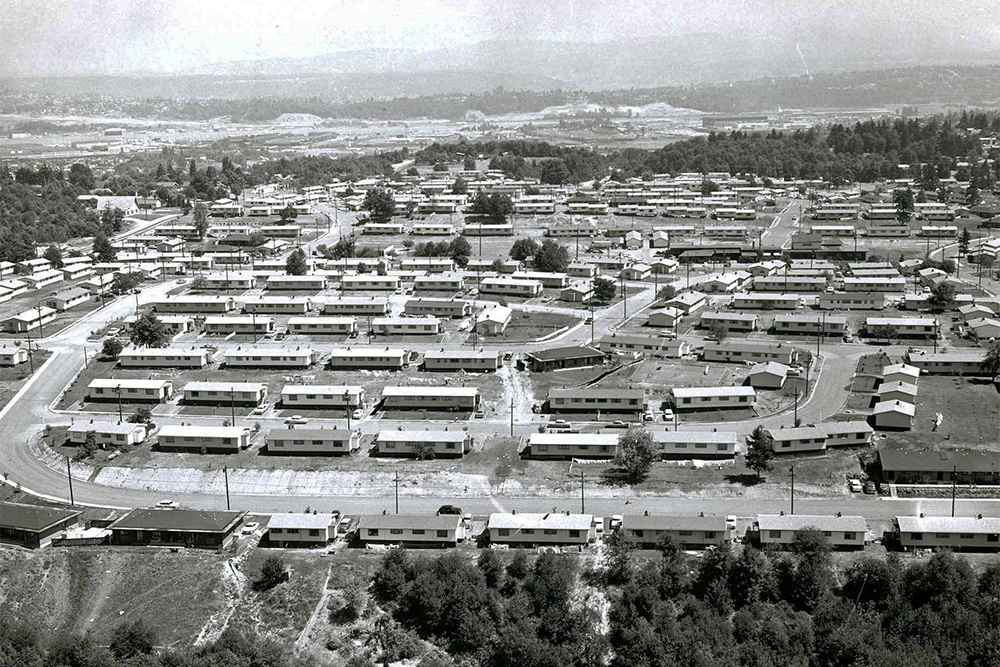
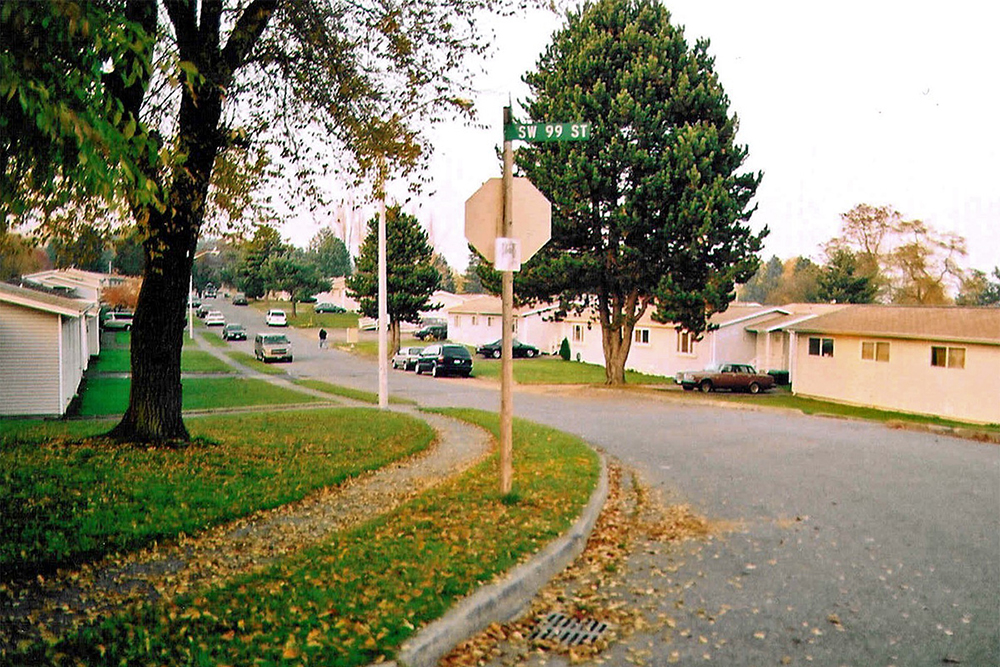
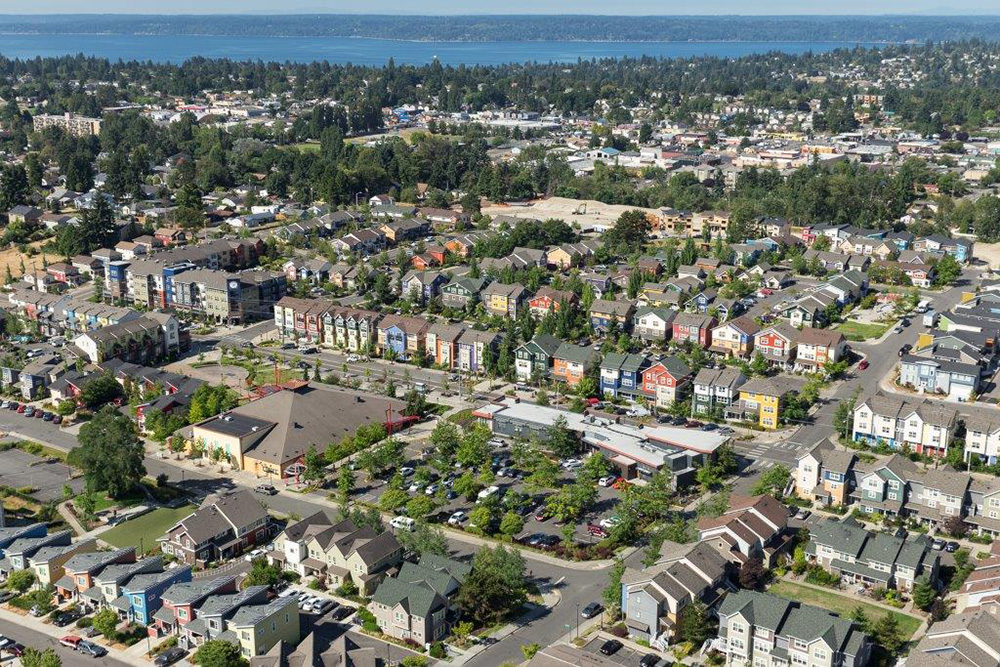
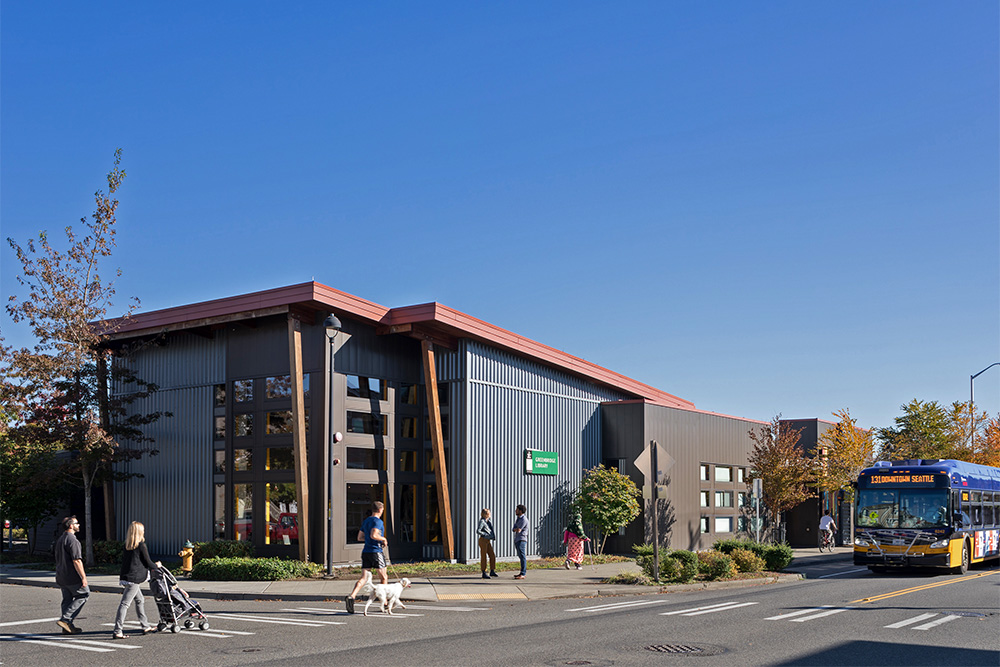
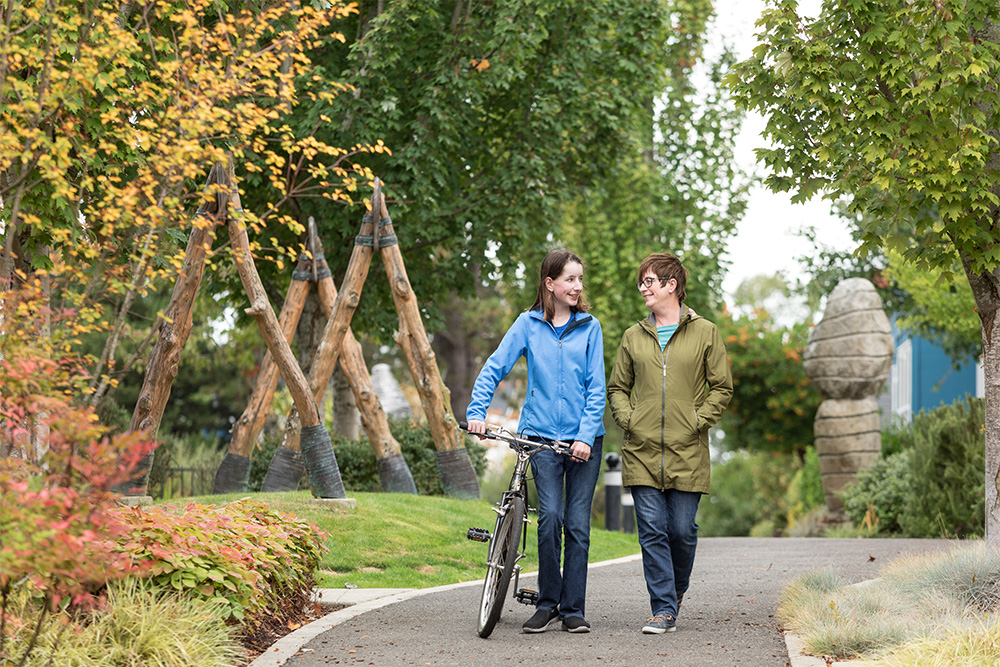
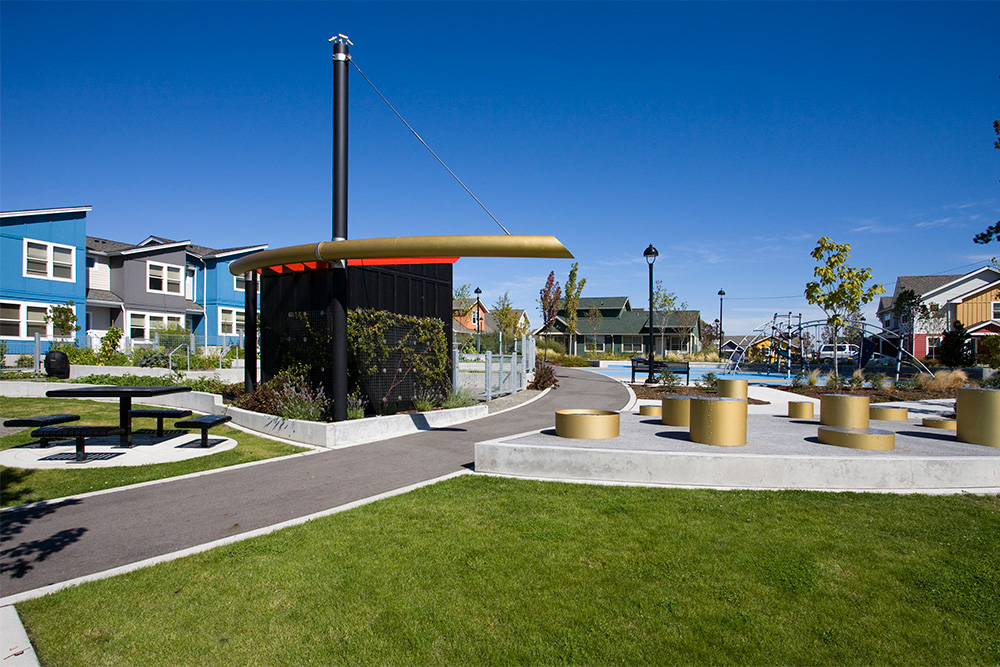
Under HUD’s HOPE VI program, KCHA led large-scale development projects at Greenbridge and Seola Gardens in King County’s White Center neighborhood, committing more than $250 million in public and private funding in the early 2000’s. These projects replace World War II-era housing with bright, modern units, blending rental and for-sale housing and welcoming nearly 4,000 residents of all income levels. With on-site facilities including community centers, early learning, and a library branch, it emphasizes educational opportunities as well as housing. Beautiful parks, playgrounds, and trails encourage outdoor activities. Thanks to environmentally friendly features, these developments provide sustainable housing that costs less to operate and offers healthier places to live.
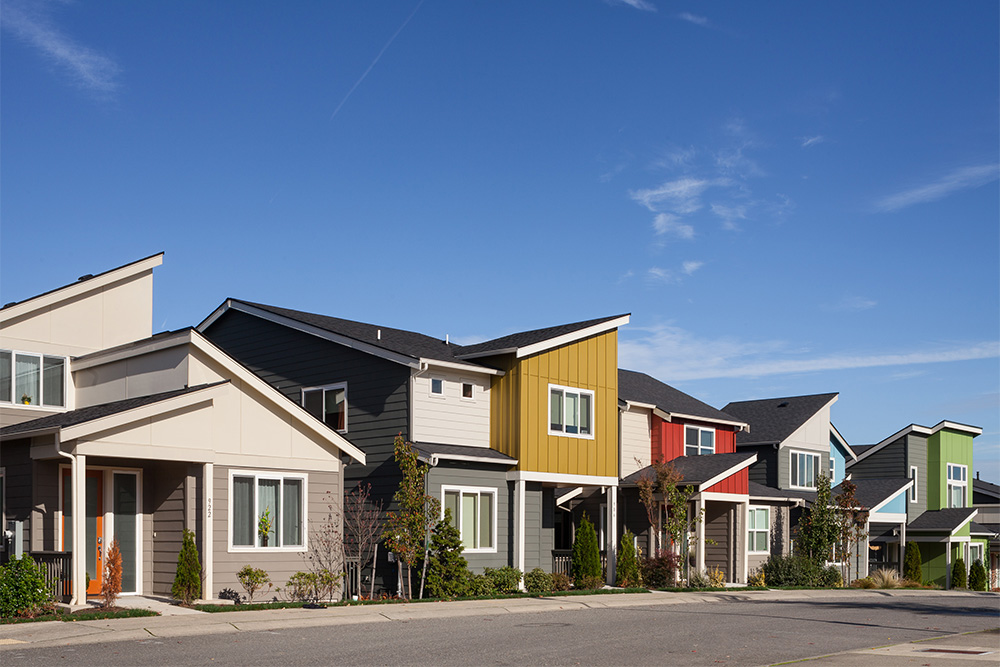
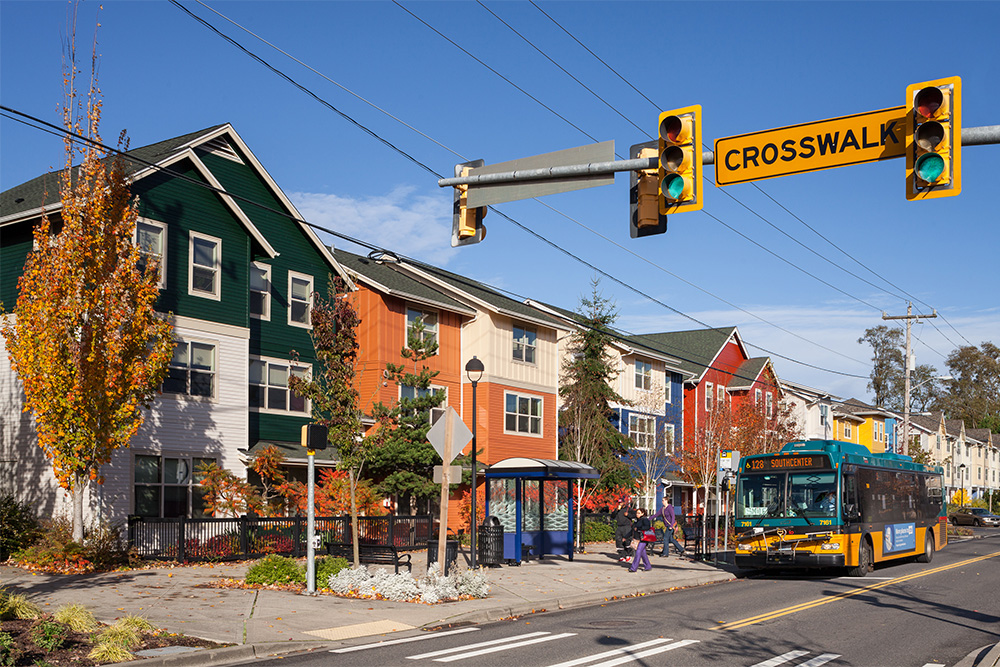
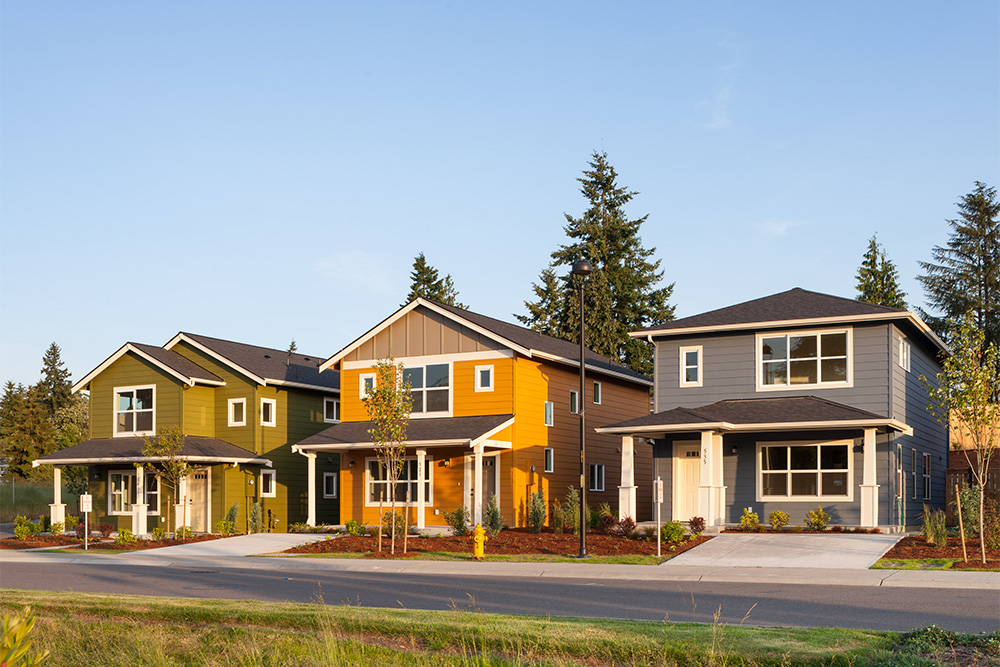
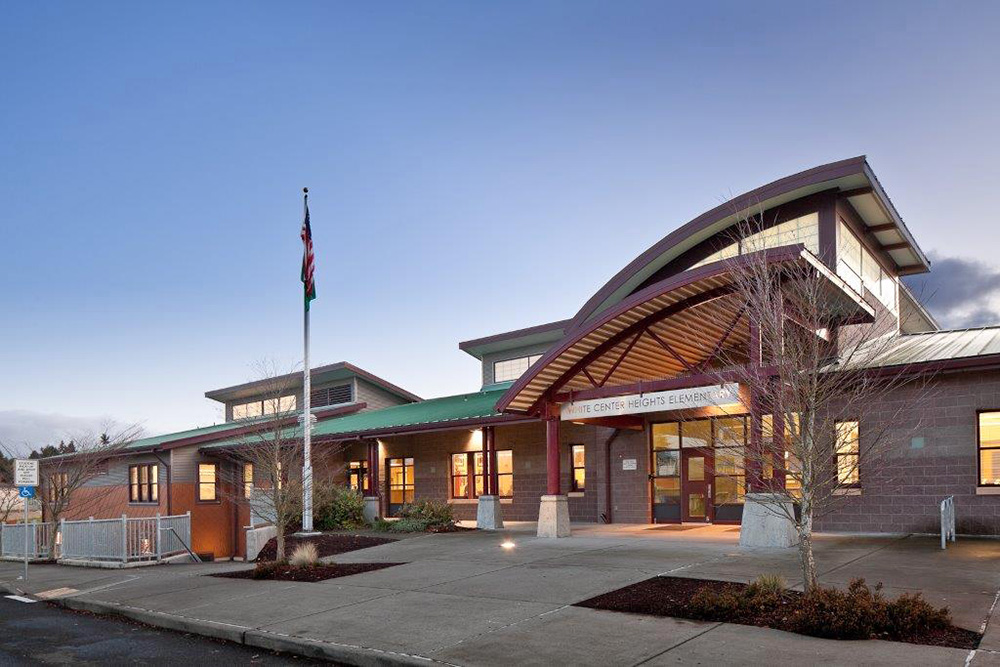
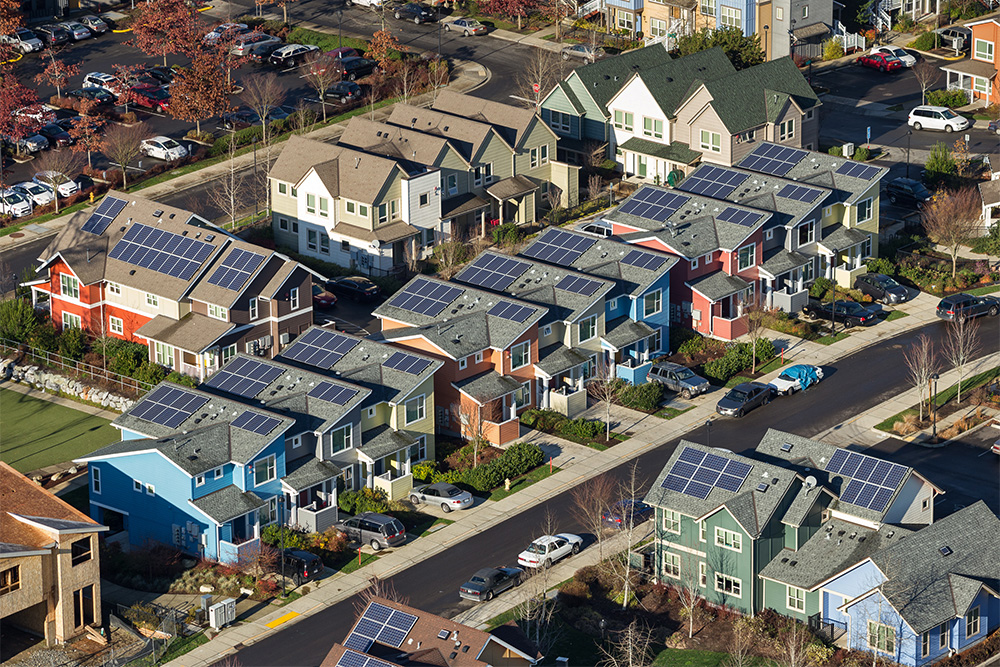
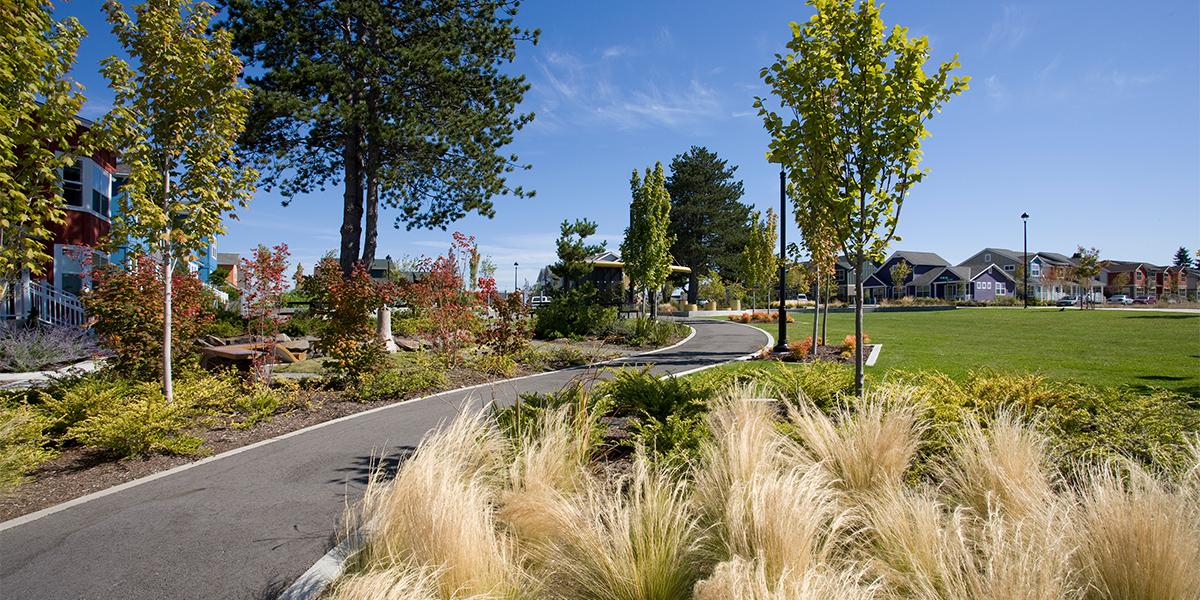
KCHA works with partners to buy, build, and preserve rental housing affordable and available to people with low- and moderate-incomes, including workforce employees, families with children, seniors and older adults, veterans, and people with disabilities.
These projects range from newly built rental housing and apartment acquisitions to for-sale homes, manufactured homes, and strategic upgrades, all with a goal of increasing affordable housing supply for thriving communities.
KCHA is committed to preserving naturally occurring affordable housing, at-risk federally-subsidized apartments, and manufactured housing communities across King County.
Since 2015, KCHA has collaborated with King County, the City of Kirkland, the City of Bellevue, Microsoft and Amazon to acquire 3,880 units in 26 different properties. Recent acquisitions have included Village Plaza (6 units in Kirkland), Plum Court (66 units in Kirkland), Sterling Ridge (116 units in Kent), Henry House (54 units in Shoreline), Brier Woods (136 units in Federal Way), and Haven House (246 units in Kent).
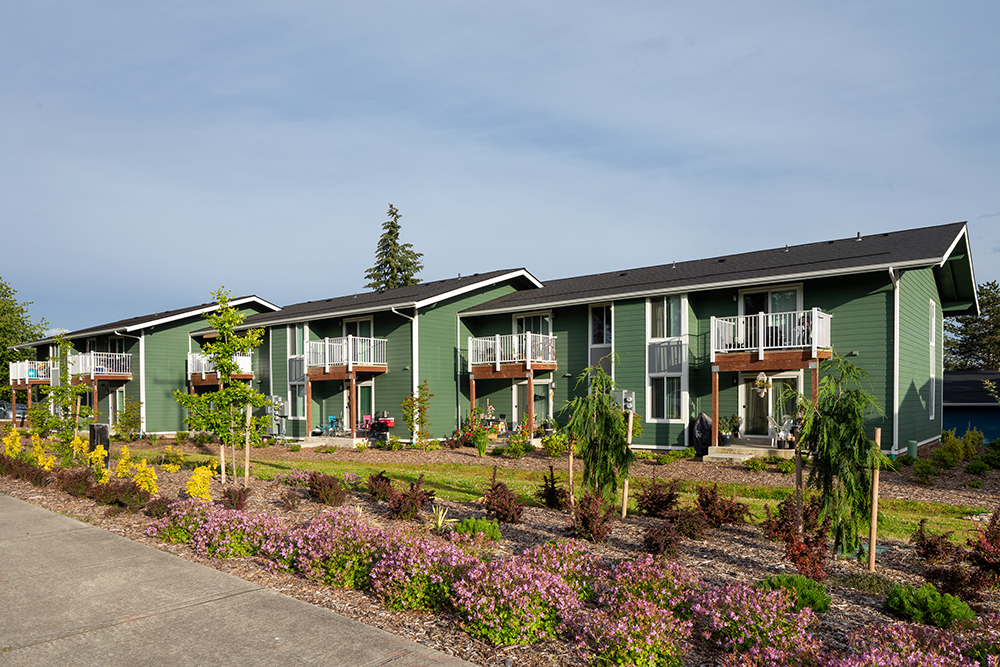
KCHA acquired and renovated Abbey Ridge, a 146-unit apartment community in SeaTac that provides affordable workforce housing. Located next to the Angle Lake light rail station, the property supports convenient access to public transit. The project was completed in 2021 and was funded through a combination of 4% Low-Income Housing Tax Credits, tax-exempt bonds, King County transit-oriented development funds, and KCHA resources.
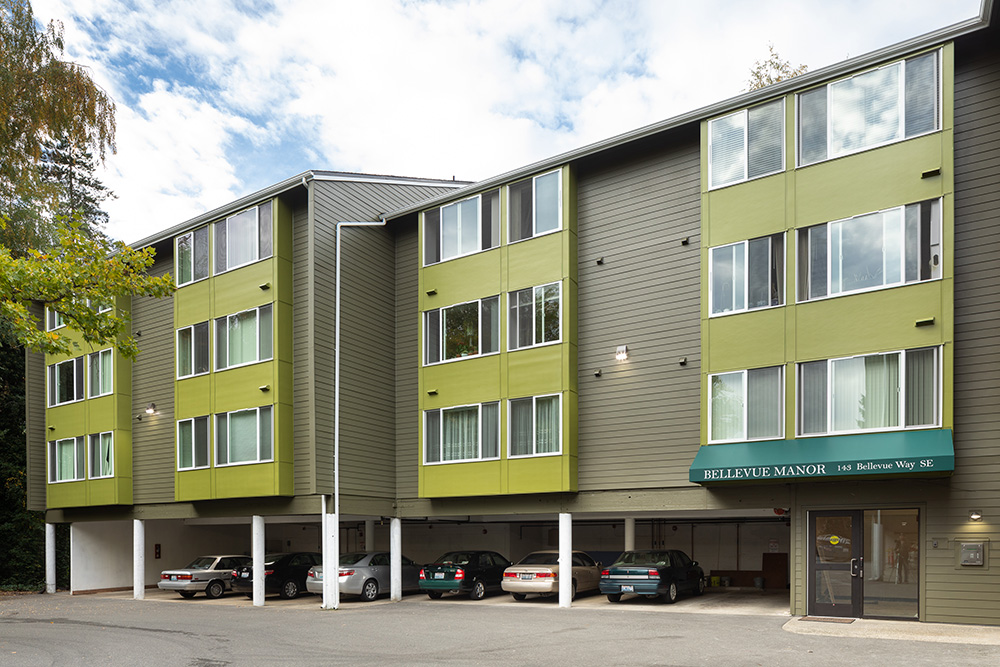
Bellevue Manor is a 66-unit apartment complex that serves low-income seniors in downtown Bellevue. It was jointly acquired in 2016 and rehabilitated along with Abbey Ridge as part of a single Low-Income Housing Tax Credit project. Renovations were completed in 2021 with funding from 4% LIHTC, tax-exempt bonds, and weatherization support, helping preserve long-term affordability and improve energy efficiency.
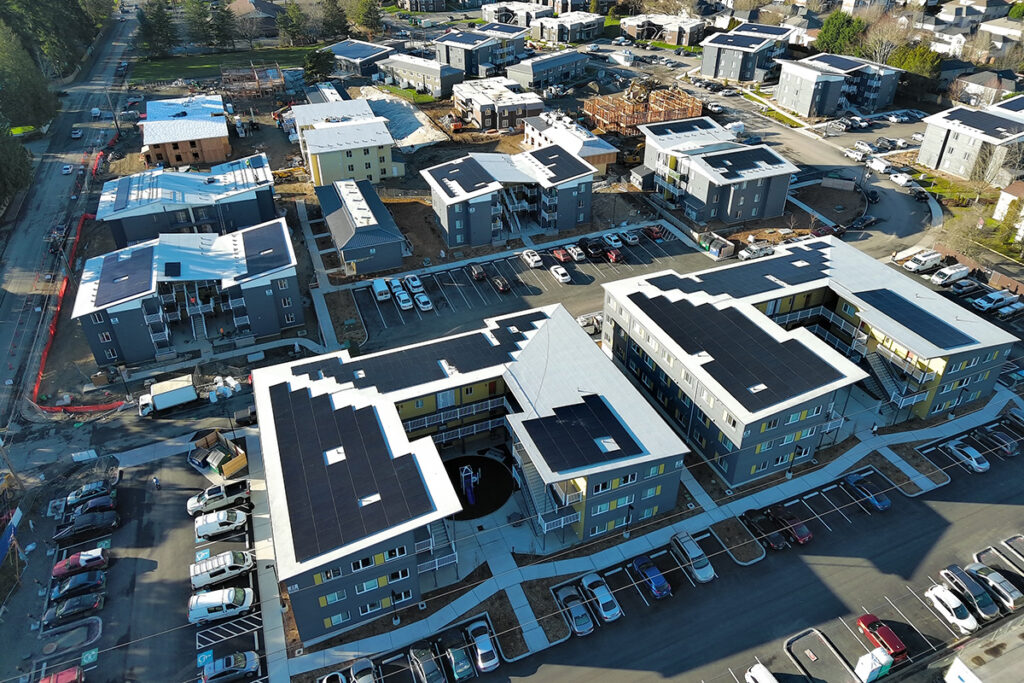
In 2019, KCHA acquired Kirkland Heights to ensure the long-term preservation of affordable housing and continued HUD rental assistance for low-income families. Located on a 13-acre site in the Kingsgate neighborhood of northeast Kirkland, the property includes 180 existing apartments spread across 20 garden-style buildings and 5 townhome-style buildings. A major redevelopment is underway, featuring a full renovation of existing units, construction of 96 new apartment units, a new community building, upgraded infrastructure, outdoor amenity spaces, and solar panel installations.
Kirkland Heights offers a mix of unit sizes, including spacious three- and four-bedroom apartments—an important resource for larger households seeking affordable options in the area. The project is supported by a combination of funding sources, including 4% Low-Income Housing Tax Credits, Renewable Energy Tax Credits, tax-exempt bonds, and contributions from King County, ARCH, and KCHA.
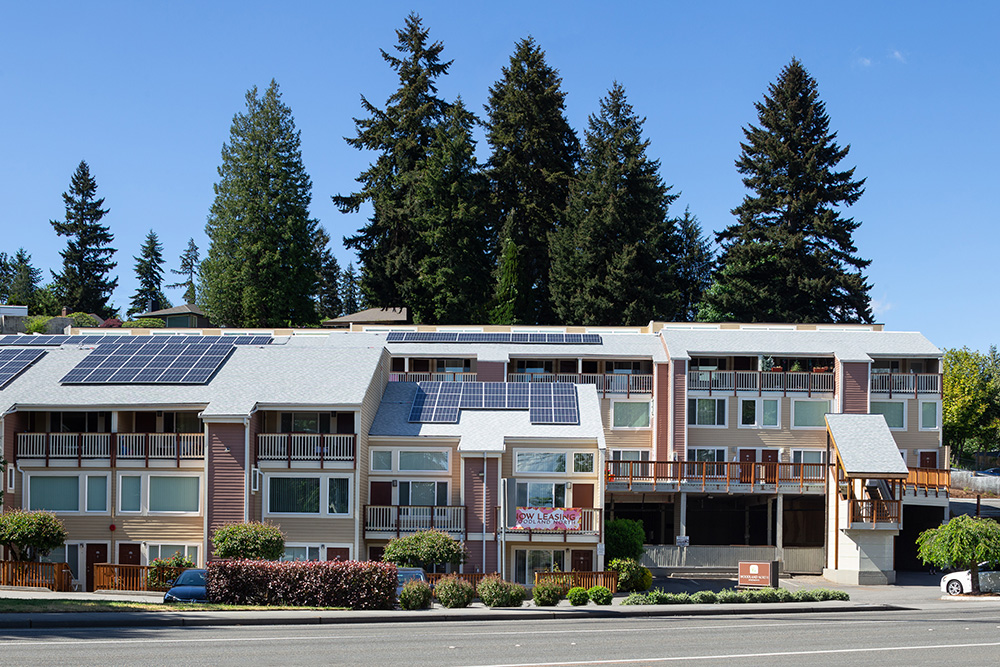
Located in Lake Forest Park, Woodland North is a 105-unit workforce housing community that was acquired and renovated by KCHA. The rehabilitation was completed in 2021 and funded through 4% LIHTC, tax-exempt bonds, and a Renewable Energy Tax Credit, with improvements focused on long-term sustainability and housing stability for working households.
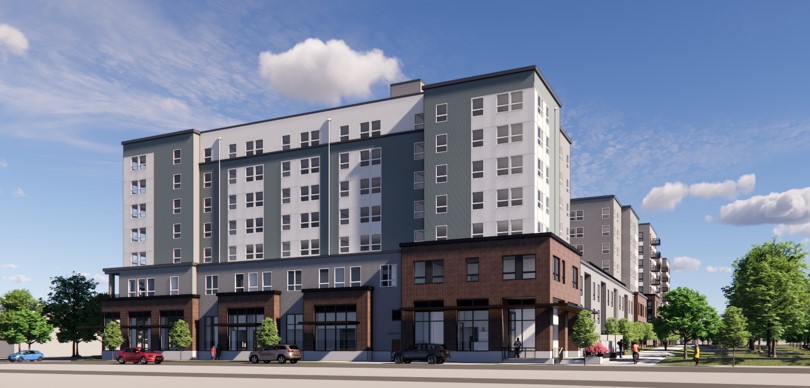
Trailhead Apartments is part of a new mixed-use development in Central Issaquah. The development is located on a 4-acre site across from Tibbetts Valley Park and next to the Issaquah Transit Center. Trailhead Apartments will help the City of Issaquah achieve their vision of creating a vibrant urban center while protecting the environment, increasing affordable housing options, and expanding access to rapid transit. The mixed-use development will include two apartment buildings, one will be affordable housing and one will be market rate housing, a wetland restoration, a walking path, and a plaza.
The Trailhead Apartments building will provide housing for 154 households earning 60% of the area median income or less. The apartment will feature studio, one-bedroom, two-bedroom and three-bedroom units. Over half the units will be family-sized units. In addition, six individuals with developmental disabilities will be housed in three units to be owned by Life Enrichment Options. The City of Issaquah will also partner with local agencies to provide community services in a 10,000 square foot facility on the ground level.
The project will be developed using a combination of funding sources, including 4% Low-Income Housing Tax Credits, Renewable Energy Tax Credits, tax-exempt bonds, and King County, ARCH, and KCHA.
View the Trailhead Apartments Info Sheet
As properties age, they become more expensive to operate and maintain. With each passing year, features such as utility systems, building envelopes, and elevators come closer to the end of their useful life span.
To finance improvements, KCHA uses low-income housing tax credits, tax-exempt bonds, and federal investments such as the American Recovery and Reinvestment Act (ARRA) funding. These funds provide for structural upgrades and enhancements to energy efficiency and accessibility. They also help keep our properties looking attractive, and can extend the property’s usefulness by decades.
To ensure that affordable housing remains available for years to come, KCHA upgrades many aspects of aging infrastructure. These include water, sewer, and electrical systems, as well as retrofits of windows, elevators, and roofs. When needed, we also seal exteriors with weather-resistant barriers, replace siding, upgrade community facilities, and repave parking lots. Many buildings have updated sprinklers, security, and fire safety systems as well.
Lower energy costs mean savings for KCHA and for the low-income residents we serve. To enhance energy efficiency, we may:
Depending on the property and methods used, these changes lower energy use by 10 to 25 percent.
Because much public housing was built in the 1960s and 1970s, its construction predates the Americans with Disabilities Act. To meet modern needs and standards, KCHA has converted many standard units to be fully accessible and built to Uniform Federal Accessibility Standards (UFAS). These accessibility upgrades allow people with disabilities and seniors to live comfortably and independently in their own home.
By updating housing on the outside as well as the inside, KCHA ensures that each property blends in with the surrounding neighborhood. Many buildings now feature more attractive exterior facades backed by low-maintenance fiber cement siding. Bright colors often replace monochromatic tones, and flat roofs sometimes give way to more stylish pitched roofs. We also add low-cost architectural details such as window shutters and siding textures to enhance visual interest.