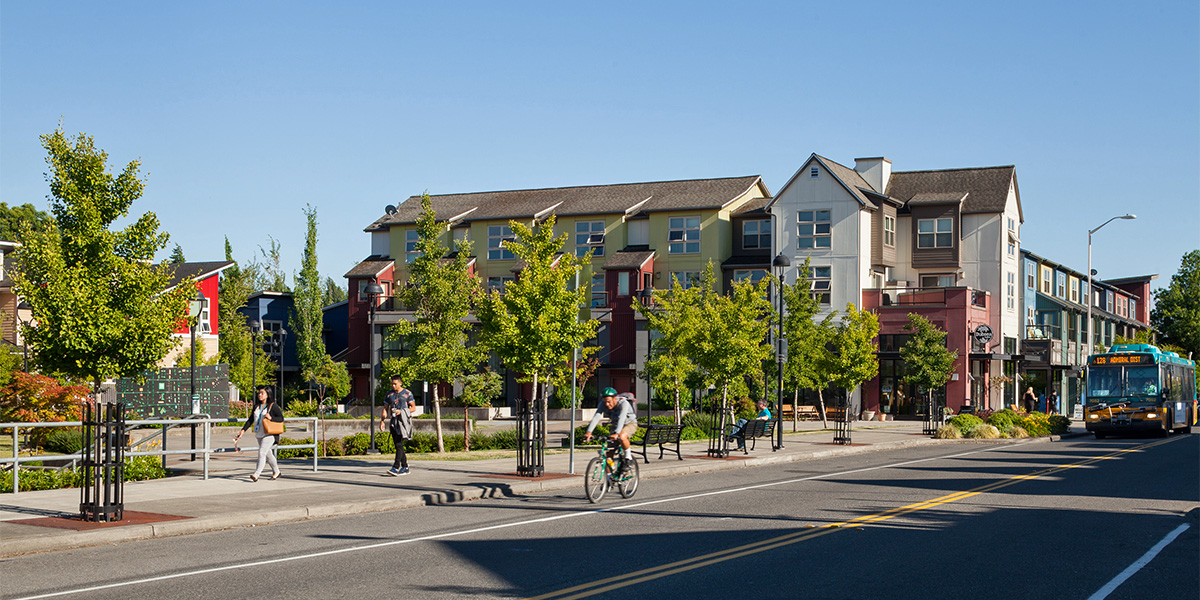
The South King County Housing First Pilot
Innovations and Lessons Learned
May 2010
Prepared by:
Building Changes
2014 East Madison, Suite 200
Seattle, Washington 98122 (206) 805-6100
www.buildingchanges.org
Project Partners:
King County Housing Authority
King County Department of Community and Human Services
United Way of King County
Sound Mental Health
Health Care for the Homeless - Public Health - Seattle & King County
Table of Contents
The South King County Housing First Pilot (SKC HFP) is an innovative approach that successfully houses chronically homeless single adults and addresses their many health and service needs in a largely suburban setting. This report shares the lessons of the SKC HFP, and documents the collaborative planning and resource alignment that undergird this housing and services innovation.
Between 2004 and 2006 the number of people experiencing homelessness in King County rose by 15 percent. In response, the King County Housing Authority (KCHA) used the flexibility provided by its 2003 Moving to Work (MTW) agreement with the U.S. Department of Housing and Urban Development (HUD) to assume a leadership role in convening other partners and undertaking a joint initiative to address the needs of the chronically homeless in suburban South King County. Together the funders partnered rental assistance with mainstream service funding to enable an experienced service provider to both house and provide direct services to the targeted recipients.
The SKC HFP used a scattered-site, sponsor-based supportive housing approach to provide permanent supportive housing with voluntary, intensive, and easily accessible wrap-around services for 25 participants (expanded to 50 in its second year). The sponsor-based approach allowed KCHA and its partners to meet the supportive housing needs of the chronically homeless, hard-to-house population in ways that KCHA‘s traditional subsidy programs were not designed to address. The sponsor-based program allowed KCHA to provide funds directly to the project sponsor, Sound Mental Health (SMH), which used the funds to master lease units from private landlords and sublease to tenants participating in the program.
In keeping with a Housing First philosophy of removing barriers and meeting tenants where they are at, SMH employed minimal eligibility restrictions, and did not require participation in services as a condition of tenancy. KCHA waived all non-mandatory Section 8 voucher eligibility requirements. This arrangement also provided SMH the opportunity for regular contact and engagement through services that improved tenants‘ independent living skills over time, and ensured lease compliance.
The typical participant in the SKC HFP was a 44-year old white male who had been homeless for an average of three years prior to participation in the program. Most had no source of income (72 percent), all were diagnosed with a mental illness, and two-thirds had a substance abuse problem as a disabling condition.
Results from the first-year evaluation showed improvements in participants‘ housing stability, health, and income:
There was also an impact on other public systems: a 41% reduction in emergency room and inpatient hospital care as well as a 76% reduction in jail bookings.
In addition to these positive outcomes, SMH was able to strengthen existing relationships and establish new linkages in South King County, including with the police, clinics, and other community-based providers. The success of this pilot has spurred KCHA to expand the sponsor-based program to serve other chronically homeless and hard-to-house populations. Local suburban jurisdictions responded as well; the South King County Action Plan of January 2008 calls for the Housing First approach to serving those with mental health and substance abuse issues.
Among the lessons learned through the SKC HFP is the importance of an engaged leadership to guide the process and implementation, to champion the mission, and to ensure each agency‘s commitment of time and resources. No single agency could have undertaken the project independently, but the unique skills, experience, perspectives, and resources of each partner were essential to the success of the pilot. Also essential to the project‘s success was the ability to partner mainstream service funding sources with vouchers. By coordinating housing subsidy and service funding within the Request for Proposals, the project was able to begin implementation with the necessary resources in place.
Perhaps the most important lesson is that the Housing First approach works. This approach can be as effective in reducing chronic homelessness in a suburban environment as it is in urban centers.
With nearly 1.9 million people, King County, Washington, ranks as the 14th most populous county in the nation, and is among the top 100 counties in terms of income on a per capita basis.2 Yet, in the annual ―One Night Count‖ in January 2009, volunteers counted 2,826 people living on the streets of King County. The homeless were of every age, race and gender. Some were huddled in doorways, and others were sleeping in cars, camped in parking lots, or sheltered in makeshift lean-tos in a park. An additional 6,000 were staying in emergency shelters and temporary housing. The Committee to End Homelessness in King County estimates that approximately 25,000 people experience homelessness in King County each year.3
The South King County region includes approximately 660,000 people, or one-third of the total population in the county. South King County includes three cities with populations between 50,000 and 100,000, and population densities between 2,800 and 4,000 people per square mile. The region grew in population by 20 percent from 1990 to 2000. By comparison, neighboring Seattle has a population of approximately 600,000, a population density of 6,700 people per square mile, and a growth rate of nine percent between 1990 and 2000.4
While the number of people sleeping outdoors within the City of Seattle was about the same as in the 2008 tally, the numbers increased dramatically in smaller cities outside of Seattle. (About two-thirds of the county's population lives in the 38 suburban cities.) Particularly striking was the number of homeless individuals in South King County. In Kent, for example, 193 people were experiencing homelessness in 2009, compared with the total of 65 counted in the same areas in 2008. In Federal Way, volunteers counted 116 individuals, compared to 90 the previous year.
In total, south King County showed a 68 percent increase in the number of homeless people between 2008 and 2009. Jason Johnson of the City of Kent‘s Human Services Department said, ―It is a big jump. I think we all knew that this year would be higher, but this is a lot higher than anyone would have ever expected.‖5
Families represent approximately half of the homeless in south King County, and among single adults, men outnumber women three to one. Roughly 20 percent of single adult homeless are considered chronically homeless: they are disabled, often by mental illness and substance abuse, and they have experienced long or repeated episodes of homelessness. Often, these individuals repeatedly cycle through hospitals, jails and other institutional settings.6
Providing long-term stable housing linked to services for chronically homeless single adults is a top priority in both A Roof Over Every Bed: Our Community's Ten-Year Plan to End Homelessness in King County7 and the South King County Response to Homelessness, which calls for an increase in permanent supportive housing resources to prevent and end chronic homelessness.‖8
The South King County Housing First Pilot (SKC HFP) is an innovative approach to successfully house and address the multiple health and service needs of chronically homeless single adults in a largely suburban context. The suburban setting raises significant challenges in terms of both delivering services and siting dedicated supportive housing facilities. Use of a scattered site model, dependent upon access to private market units, is a key element in taking a suburban response to scale. This, in turn, raises unique challenges related to finding willing landlords, securing safe and affordable housing, and providing home-based, wrap-around services for chronically homeless clients that this pilot program sought to address.
The King County Housing Authority (KCHA) and Building Changes collaborated on the creation of this report to broadly disseminate the lessons of the South King County Housing First Pilot for chronically homeless single adults, and to document the collaborative planning and alignment of resources that undergird this housing and services innovation. SKC HFP is highly innovative in both the problem it addresses – chronically homeless individuals in a largely suburban setting – and the role that the housing authority played in providing critical housing support. A primary motivation for this report is to assist other public housing authorities in replicating SKC HFP‘s successful model in their communities and to demonstrate the benefits of the more flexible use of Section 8 voucher funds made possible by HUD‘s Moving to Work (MTW) program.
CLIENT PROFILE:
―Emily came to Housing First as a 40 year old transgender male to female, divorced with one child and receiving GAU benefits. She had been on the streets about six years and was referred to the program through the Kent DSHS office. Her social worker recognized that Emily came with a special set of issues that were making life on the streets even more difficult for her. Emily, in addition to the difficulties she experienced in the shelters or camps due to stigma from other homeless people, was actively psychotic and her delusions were of such a graphic and terrifying nature it made socializing or getting assistance from anyone very difficult. Drug use exacerbated her psychosis and often made Emily fly into rages which made helping her even more difficult. It was nearly impossible for Emily to follow through with appointments and, even though she had the support of her DSHS worker, she was close to losing those benefits.
Emily was initially mistrustful toward most of the Housing First staff. However, through a lot of patience and time, Emily‘s primary case manager developed a level of trust with her. Her case manager established a regular schedule of meetings and tried to instill some sense of normalcy and consistency into what was a very chaotic life. Emily failed in her first housing placement and continued with her chaotic lifestyle. The Housing First team worked with her to establish more ground rules and was able to place her into another housing placement in a quieter neighborhood.
With the support of her case manager, Emily has developed some goals, including seeing her daughter and going back to school. Today, Emily receives social security and is getting straight A‘s at her local community college. She is also following through with the court‘s requirements for visits with her daughter. Emily is not completely ―better,‖ but she is learning to live independently with her mental illness and remain functional.
The King County Housing Authority plays a vital role in providing affordable housing options for residents in King County, Washington, and is a key player in efforts to end homelessness in the region. King County is a large metropolitan county with a total population over 1.9 million. KCHA‘s primary area of operations, covering all of incorporated and unincorporated King County outside the cities of Seattle and Renton includes nearly two-thirds of the county‘s residents.
KCHA owns or manages more than 100 residential complexes with 8,386 total units, including 3,321 units in public housing and other HUD-funded properties and 4,878 units in properties developed using tax credits, tax-exempt bonds, and other local funding sources. KCHA also provides tenant-based rental assistance through the Section 8 Housing Choice Voucher program to over 10,000 households, including more than 2,000 vouchers that are dedicated for specific populations such as disabled households and homeless families.
Since the U.S. Department of Housing and Urban Development began evaluating housing authorities in 1992, KCHA has consistently been recognized as a high performer. HUD designated KCHA as a ―Moving to Work‖ agency in 2003. Using the flexibility provided under its MTW agreement with HUD, KCHA was able to redesign its federally-funded programs to respond to local conditions and to pilot innovations that provide more housing options to households with the greatest needs. The South King County Housing First Pilot is an example of the program innovations developed by KCHA to meet the needs of the community and pursue the goals of the Ten Year Plan to End Homelessness in King County.
Moving to Work is a demonstration program that offers designated public housing authorities the opportunity to design and test innovative, locally-designed housing and self-sufficiency strategies for low-income households. It allows exemptions from existing public housing and Section 8 Housing Choice Voucher rules, and permits PHAs to combine operating, capital, and tenant-based assistance funds into a single block grant. Authorized in 1996, the MTW demonstration gives 33 PHAs (including both the King County and Seattle Housing Authorities) the local flexibility in order to accomplish three primary goals:9
KCHA is authorized under the terms of its MTW agreement with HUD to use the block-granted funding from its Public Housing and Section 8 programs ―to provide flexibility in the design and administration of housing assistance to eligible families,‖ including ―the operation or preservation of locally developed housing programs.‖ KCHA‘s MTW Agreement and Annual Plan specifically identifies two key initiatives related to the South King County Pilot program: the expansion of housing choices for homeless and special needs populations, and the leveraging and coordination of mainstream service funding.
The South King County Housing First Pilot is a joint initiative of the King County Housing Authority, the King County Department of Community and Human Services‘ Mental Health, Chemical Abuse and Dependency Services Division (MHCADSD) and the United Way of King County. The program, administered by Sound Mental Health (SMH), a non-profit mental health provider, provides permanent supportive housing for 25 (subsequently expanded to 50) chronically homeless individuals in South King County, WA.10
As a demonstration program, SKC HFP offers several new approaches for providing stable housing for long-term homeless populations with multiple disabilities. It is the first Housing First program in the South King County region, the first program in that region to serve chronically homeless individuals, and KCHA‘s first sponsor-based supportive housing program.
SKC HFP also plays an important role in the larger context of regional efforts to end homelessness across King County. In 2004, local leaders in the public, private, and nonprofit sectors developed a ten-year plan for ending homelessness in King County. The plan includes the ambitious goal of developing 9,500 new housing units or dedicated subsidies for homeless individuals and families by 2015. At the end of 2009, the Committee to End Homelessness in King County reported that 4,111 units had been created or were in the pipeline countywide.11 The success of SKC HFP led to the development of subsequent sponsor-based programs that have contributed to this increase in housing units for the chronically homeless in the County.
Designated MTW housing authorities have the ability to create locally designed programs within their Section 8 Housing Choice Voucher funding. In response to the challenge of securing private apartments for chronically homeless individuals under the Housing First model, KCHA developed a ―sponsor-based‖ Section 8 approach, which shares many common features with tenant-based and project-based Section 8 rental assistance. All forms of Section 8 rental assistance, including the sponsor-based model, apply the same income eligibility standards for program participants, and are designed to limit participants‘ rent contributions to no more than 30 percent of their gross monthly income. They also uniformly apply HUD‘s mandated Housing Quality Standards (HQS) to all units subsidized with federal funding.
But sponsor-based Section 8 programs provide significant advantages for serving long-term homeless populations. Under this approach, the project sponsor (typically a nonprofit human services or housing provider) receives funding directly from the housing authority, and uses the funding to lease units from private landlords. The project sponsor then recruits tenants to participate in the program and establishes subleases with each tenant. The project sponsor is therefore able to guarantee vacancy payments to the landlord and assuage potential landlord concerns over anticipated higher turnover rates for high-risk tenants and tenant damages. The sponsor also serves as a single point of contact for landlords who lease multiple units through the program.
From the tenant‘s perspective, the advantage of sponsor-based vouchers is that sponsors are able to ―screen in‖ eligible participants through one central process rather than having each tenant applicant go through the screening procedures of different property managers. Private landlords may be more willing to accept tenants with barriers to housing, such as past eviction or criminal histories, because of the sponsor‘s direct involvement. In the case of the SKC HFP, the program sponsor is available to respond to landlords on a 24/7 basis.
Table 1 describes the key differences among the three forms of Section 8 Housing Choice Voucher assistance. Note that the Sponsor-based Section 8 approach is similar in many ways to the Shelter Plus Care sponsor-based program.
Table 1:
Differences Between Alternative Section 8 Housing Choice Voucher Subsidy Approaches
| Tenant-based | Project-based | Sponsor-based | Advantages of Sponsor-based |
Housing arrangement | Tenant household secures private housing on its own or with third party assistance. | Contracted housing provider that may also provide services. | Contracted service provider who also administers housing subsidy. | Service provider (sponsor) understands the tenant population and their needs. |
Lease arrangement | Written lease between tenant and private property manager or owner. | Written lease between tenant and property manager (often a nonprofit housing or service provider). | Master lease agreement between service provider and owner/property manager; written sublease between service provider and tenant. | Insulates landlords from perceived risks of working directly with tenant population. |
Tenant screening & selection | Prospective tenants are selected from PHA waitlists and screened by PHA; each tenant is screened by property management of the private market units they find and wish to rent. | Property management of project-based multifamily building screens and selects prospective tenants. | Project sponsor screens and selects clients; landlord may also choose to screen. | Tenants with credit issues or other housing barriers are not necessarily screened out – allows them to be screened in. |
Unit identification & selection | Tenant has responsibility for locating a privately-owned unit; tenant may move from unit to unit and retain assistance (as long as each new unit meets the same rent and housing quality guidelines). | Tenant rent assistance is available while living in the project-based building and tenants who exit the building may receive an exit voucher to retain the rent assistance, should they choose to move out after the first year. | Project sponsor identifies private market units and establishes long-term master leases with unit owner (s); project sponsor retains access to ongoing assistance as either owners or tenants change. No exit mobility, however. | It can be difficult for homeless clients to identify available units without assistance from a sponsor agency. |
Property management | Private property management; PHA conducts Housing Quality Standards (HQS) inspections. | Private or non-profit property management; PHA conducts HQS inspections. | Sponsor works with private property management; PHA conducts HQS inspections. | Sponsor can identify and resolve potential tenant issues before they result in eviction. |
For SKC HFP, KCHA created its first sponsor-based subsidy program by providing subsidies for 25 individuals directly to the service provider, Sound Mental Health (SMH). SMH is responsible for developing relationships with and master-leasing rental units from landlords in South King County and then establishing sub-leases with SKC HFP clients. This arrangement provides the most flexibility to the project sponsor in quickly securing appropriate units for tenants through private-market leasing. It also offers the landlords greater assurance of consistent rent payments since the community-based agency is liable for rent payments and will back up tenants, both financially and with added services. In keeping with the Housing First philosophy, SKC HFP tenants‘ lease agreements do not require their participation in services as a condition of the housing or subsidy, but it does allow for once- or twice-weekly visits by SMH staff to ensure that the formerly homeless residents are, in fact, able to maintain their units and increase independent living skills over time.
SKC HFP clients are required to meet only the mandatory eligibility requirements of the Housing Choice Voucher Section 8 program: They must have incomes below 80 percent of the Area Median Income (AMI), must not be a lifetime registered sex offender, and must not have been convicted of manufacturing or producing methamphetamine in a public housing development or in a Section 8-assisted property. By accepting sponsor-based subsidy payments from KCHA, SMH certifies that all program participants meet these eligibility criteria. KCHA has waived other screening criteria traditionally applied to Section 8 voucher applicants.
Most programs designed to serve chronically homeless single adult populations across the United States are designed and developed by non-profit organizations to specifically serve this population and are traditionally sited in the urban core. Seattle has close to one thousand site-based supportive housing units operated by a number of nonprofits. South King County, in contrast, has no central urban core, and in fact, much of the county is suburban. In addition, other than the units that are owned or already subsidized by KCHA, there are virtually no private market apartments that are affordable to households with incomes below 30 percent of AMI. Most chronically homeless adults have incomes at or below 15 percent of AMI. By dedicating federal housing subsidies for use in this program, KCHA is able to make private-market units affordable to those with little or no income.
The housing model that has proven most effective in providing stable housing for chronically homeless populations—youth, single adults, and families—is known as ―permanent supportive housing.‖ 12 It is permanent because there is no time restriction on tenancy: It is their home, and residents may stay in the unit as long as they are eligible to receive assistance. It is supportive because residents are offered a range and mix of services, both on- and off-site, that are designed to help them remain stable in housing, improve their physical and mental health, increase social skills, and engage in meaningful activities, including employment. Prior to the Housing First Pilot, there were virtually no permanent supportive housing units for chronically homeless single adults in South King County.
To achieve economies of scale, and to ensure a safe environment for often fragile tenants, the most common model of permanent supportive housing is in a single site, often a 40-unit or larger apartment building. Such siting opportunities are rare in South King County, particularly along limited mass transit corridors, so a scattered-site approach was taken, with the project sponsor, Sound Mental Health, finding and leasing units in the private rental market.
In addition to relieving individual tenants of the burden of finding an appropriate and affordable unit, the sponsor-based approach also helps with another barrier to attaining housing: being screened out due to a poor credit history and/or a history of incarceration. In the tight rental market that characterized King County at the time this program began, even arrests for misdemeanors or other victimless crimes could block access to housing for prospective tenants. Standard background checks would have screened out virtually all chronically homeless adults participating in this program for having poor credit and/or minor arrest histories.
CLIENT PROFILE:
―Evan had been homeless multiple times for several years at a time. He resisted accepting help because he feared that he would be required to participate in a drug/alcohol rehab or religious program. He has emphysema, has difficulty getting around, and is chronically inebriated. As the cold weather arrived, and after multiple outreach contacts, Evan developed enough trust to enter the program. The Housing First team helped him load up his belongings and drove him to his apartment. When the case worker handed him his apartment keys, his eyes became teary, and he stated that he had not had his own house key in nine years. The first thing he did after moving in was purchase a key chain from the local gas station. While extremely resistant to services upon admission, he now has suggested he may want psychiatric help. Today, he enjoys living independently and keeps his apartment immaculate.
Over the past several years, key funders of housing and services in King County have been working together to issue joint funding notices. This innovative approach is preferable for both the funders and the applicants:
The SKC Housing First Pilot accesses ―braided‖ funding through joint funding from the King County Housing Authority, King County Department of Community and Human Services, United Way of King County, and Public Health Seattle/King County‘s Health Care for the Homeless Network. Commitments of funding were made by the key participants – KCHA, DCHS, and United Way – for an initial period of five years. Renewal funding would be considered and decided jointly. A key element in the DCHS mental health approach is access to mainstream Medicaid funding. Sound Mental Health was the successful applicant in the Request for Proposals process. All funders provided support for collaborative planning during the first year, and HCHN provided financial support for nursing services during the second year.
KCHA, King County DCHS‘ Mental Health and Chemical Abuse and Dependency Services Division (MHCADSD), SMH and United Way all provided direct funding, as shown below.
Table 2: South King County Housing First Project Annual Budget
Budget Item | Source | Program/Year ACTUAL | Program/Year BUDGETED |
Rental Subsidies | King County Housing Authority | $157,300 | $213,000 |
Unit Furnishings | King County Housing Authority | $18,335 | $30,000* |
Mental Health | King County MHCADSD, Medicaid | $20,980 | $42,000 |
Mental Health and Substance Abuse | King County, MHCADSD (non-Medicaid) and Sound Mental Health In-Kind | $123,834 | $163,585 |
Flex-dollars for non-Medicaid | United Way of King County | $124,000 | $124,000 |
Total (not including one-time unit furnishings) | $426,114 | $542,585 |
*One-time start-up funds
The actual expenditures in the first year were lower than budgeted, primarily due to the program starting later than expected as it sought landlords. Providers also discovered that the chronically homeless population in south King County had more difficulty accessing Medicaid benefits than originally expected. The determination of eligibility for state and federal disability benefits is a lengthy process and a necessary precursor to receiving Medicaid. The result was often significant delays in benefits for clients. The proportion of SKC HFP clients accessing Medicaid has increased since the first year, but Medicaid funding is still available to a lower percentage of program participants than initially projected. Eligibility for Medicaid is predicated on income limits and some clients were required to ‗spend down‘ a portion of their income before becoming eligible for Medicaid. Due to the difficulty of enrolling the target population, additional sources of funds were needed to provide medical services to all program participants. One lesson from this experience may be the importance of budgeting conservatively for the length of time before clients can successfully access Medicaid or other entitlement funding sources.
The Housing First model refers to the process of rapidly housing individuals without ―housing readiness‖ criteria. Most Housing First programs reside within permanent, site-based, supportive housing settings that have no length-of-stay limits and minimal eligibility restrictions other than a history of long-term/chronic homelessness and the presence of significant disabling conditions. A Housing First approach removes barriers to housing and provides supportive services that ―meet the participant where they are‖ rather than requiring the participant conform to a particular set of services as a precondition for housing.
The SKC HFP program emphasizes the following principles:13
One of the most important aspects of a Housing First program is provision of clinical services that are voluntary, intensive, and easily accessible. SMH provides services through a modified Assertive Community Treatment (ACT) model that integrates psychiatric, substance abuse and health care services. This evidence-based model has been shown to be highly effective in engaging and serving homeless persons with serious mental illness to enable them to live in independent, permanent
housing. ACT teams combine treatment, rehabilitation, and support services to lessen or eliminate the debilitating symptoms of the individual‘s mental illness, improve his or her quality of life, and allow the individual to live independently in the community.
The team provides services through a multidisciplinary approach using low caseloads, typically not exceeding a staff-to-client ratio of one to 12. Staff is available 24/7 to meet clients‘ individual needs, particularly in crisis situations. Core agency staff in the SKC HFP team includes a mental health professional (1 FTE), chemical dependency professional (1 FTE), peer-to-peer support staff (.5 FTE), registered nurse (.25 FTE), vocational specialist (.25 FTE), psychiatric staff (.25 FTE), and supervisor (.25 FTE). The SKC HFP services budget is $16,69414, including staffing and ancillary costs, per participant per year.
In order to successfully engage those in greatest need, street outreach is a critical element of the program. SKC HFP staff have significant skills in both outreach and the provision of services, and coordinate closely with an existing outreach team administered by SMH, known as the Program with Assistance to Transition out of Homelessness (PATH). SMH has operated PATH in South King County for six years. Together, SKC HFP and PATH staff identify potential program participants, establish relationships with them on the streets, and facilitate their placement in housing.
The funding partners jointly selected Sound Mental Health (SMH) to administer the project through a Request for Proposals process conducted in the spring of 2006. SMH is a Seattle-based nonprofit organization with a forty-year history of providing comprehensive behavioral health services in King County. SMH delivers mental health and chemical dependency services in a broad range of community settings throughout the county, and has extensive experience working with homeless individuals on the streets and in permanent supportive housing. For instance, SMH operates other supportive housing programs and conducts street outreach and engagement through PATH. SMH‘s background in working with ―hard-to-house‖ populations and their eagerness to try Housing First were key to their being selected.
The initial impetus for this pilot came out of the Robert Wood Johnson Foundation-funded Taking Health Care Home (THCH) initiative of the Corporation for Supportive Housing (CSH). King County was one of six communities selected nationwide. A core emphasis in THCH was creating permanent housing with on-site services for chronically homeless single adults. The King County Housing Authority wanted to take leadership in this effort, and since Moving to Work gave them the flexibility to try it, they started conceiving the SKC HFP while the plan to end homelessness in King County was still in development.
Because this new initiative is central to KCHA‘s mission, senior-level staff dedicated significant time developing and implementing this model (at least .25 FTE for more than a year). Through their experiences with HUD‘s Family Unification Program (FUP) and other tenant-based voucher programs that target special-needs populations, KCHA knew that a Housing First pilot would have the greatest likelihood of success if the services could be funded through mainstream systems—in this case, primarily the Regional Service Network of mental health providers—rather than through reliance on annual homeless service grants. In addition, because federally funded programs often have strict categorical eligibility, KCHA knew that a source of more flexible funds would also be needed; and the United Way of King County‘s special initiative for chronically homeless adults was a perfect complementary source.
Once SMH was selected as the service provider, the planning team met regularly for more than a year to assure complete buy-in from all parties and to work out the nuts and bolts for delivery of the wrap-around services called for by the housing first model. Initially, the eight- to ten-member planning team met twice monthly. An important connection in the planning team was the THCH staff in Seattle‘s Office of Housing who helped to maintain links to other Housing First programs operating in Seattle and within the overall THCH initiative, both in Washington State and in the five other sites across the country. The Health Care for the Homeless Network played a key role in opening doors for the residents to receive medical care through HealthPoint‘s Kent clinic, and in complementing the ACT staffing by providing thirteen hours of nursing services to the SKC HFP participants per week.
To obtain insight from an experienced Housing First provider, KCHA invited Sam Tsemberis, Executive Director of Pathways to Housing in New York City, to spend time with the funding and services planning partners to help them refine the breadth, intensity, timing and duration of the anticipated services required to stabilize chronically homeless, multiply-challenged adults in permanent housing of their own.
It is important to note that KCHA, the King County Department of Community and Health Services, and SMH designed and implemented the SKC HFP together. Each agency brought its unique skills, experience, perspectives, and resources; no single agency could have undertaken the project independently. As they began implementation, they discovered that not only did outside community-based agencies need to be educated and brought on-board with the Housing First concept and ACT approach, but that others within their own agencies and across King County‘s public health and human services departments likewise needed information, education and the opportunity to have their concerns addressed before they became fully invested in the project.
Securing housing units in the private rental market proved much more daunting than anticipated. Over a four-month period in mid-2006, SMH approached 53 different landlords in South King County. Many were reluctant to even entertain the notion of working with a homeless population, while others ruled out participation because of their screening policies regarding past evictions and criminal histories. At the time, housing vacancy rates in South King County were very low, hovering at 4.5 percent. In time, SMH identified an apartment complex in the City of Kent that was willing to ―master lease‖ up to 10 units to SMH. However, the property manager wanted to screen all participants directly. Initially, more than 20 applicants were screened out because of their criminal records.
SMH assured the apartment management staff that they would be actively engaged with the participants on-site on a daily basis, and that they would provide 24/7 response to landlord concerns. The first resident moved into the apartment complex in November 2006, and the property manager found that the partnership with SMH worked very well. Over the next eight months, the property manager took in a steady stream of new SKC HFP clients, so that by June 2007, 21 of the complex‘s 250 units housed program participants. Four additional SKC HFP participants moved into other private market units, for a total of 25 total clients housed by the end of 2007.
In identifying and housing tenants, SMH‘s goal was to help each participant move into housing within one month of accepting a unit. The program exceeded that goal during its first year of implementation, with an average of about 21 days between clients‘ accepting and then moving into their units.
Working with Private Landlords in Sponsor-based Housing
The South King County Housing First Pilot developed a particularly close relationship with one housing complex that has withstood changes in ownership and property management during the program‘s history. Sound Mental Health (SMH) reports that the initial incentive that encouraged landlord participation was SMH‘s guarantee to provide 24/7 crisis response: An SMH staff would arrive on the property within 20 minutes of receiving a call from the landlord. During the start-up of the program, the landlord frequently called SMH for crisis response, but as the tenants stabilized and the property managers became more familiar with SMH and the tenants, the crisis calls became much less frequent.
The current landlord has developed a high level of confidence in SMH staff‘s ability to work with their tenants. The landlord master-leases units directly with SMH, and therefore does not conduct any screening or leasing up with tenants. SMH conducts the criminal background check and assures the landlord that they will screen out prospective clients with histories of sex offense or methamphetamine manufacture (as required under Section 8 guidelines), and arson. SMH also verifies income for Section 8 requirements, signs tenant subleases, helps them move into apartments and, when necessary, issues notices to pay, and conducts evictions in extreme cases. As the program has evolved, SMH separated the roles of property management and service provision among different staff, so that case managers and service providers maintain their therapeutic relationships with tenants.
The average gross rent (including utilities) for all apartments in the program is $713 per month. SMH staff assist participants in applying for benefits and income supports for which they may be eligible. After the first year, more than half received some form of entitlement income, up from 28 percent before being housed. The average monthly rental contribution from program participants was $74 during the first year.
Referrals for the Housing First Pilot came primarily from a mix of shelters, friends of the participants, effective street outreach and individual participant self-referral. The PATH program serves as the conduit for nearly all referrals. Virtually all clients were living on the streets at the time of referral (24 out of 25), while one person was incarcerated at the time of referral.
After the SKC HFP reached full capacity in the summer of 2007, local leaders sought funding to expand the program. That fall, the Committee to End Homelessness in King County (CEHKC) submitted a competitive funding application for the State‘s Homeless Grant Assistance Program, which, at the time, provided three-year funding for innovative programs. In December 2007, CEHKC was awarded a grant to expand the SKC HFP from 25 to 50 total clients in South King County. The subcontract with SMH for this expansion was approved in May 2008. SMH was able to increase its staffing to seven FTE using the Homeless Grant Assistance Program funds, and began enrolling additional clients that month.
King County DCHS‘ Mental Health and Chemical Abuse and Dependency Services Division provided in-kind staff to evaluate outcomes for the first 25 participants in SKC HFP.15 This evaluation covered the first year of the program (2007 to 2008) and included descriptive demographics of the first 25 participants and analysis of changes in the use of other systems by participants, including emergency room visits, jail bookings, and inpatient psychiatric hospital visits.
Of the initial 25 participants at intake:
The first-year data shows a range of successes in improving client outcomes and reducing harmful behaviors. Participants strongly affirmed that the SKC HFP did indeed improve their housing and health situation. Nearly all clients reported reducing their use of alcohol and drugs. In addition, the vast majority reported that SKC HFP helped them feel "at home" (84 percent) and connected with services (74 percent).
MHCADSD tracked client progress over the first year of the program. The findings show strong indicators of improved housing stability and health:
After one year, the program also demonstrated dramatic impacts on reducing participants‘ reliance on other costlier public systems:
Although SKC HFP did not include an evaluation of cost savings resulting from reduced use of public systems, including medical and jail costs, these results suggest a comparable level of cost savings to similar programs that have rigorous evaluation data on cost savings.17
Program participants evaluated their satisfaction with SKC HFP and changes in their behaviors through a survey during the program‘s first year. Table 3 shows the percentage of clients who agreed or strongly agreed that their circumstances had changed because of the program.
Table 3:
SKC HFP participant self-reported impacts
As a direct result of services.... | Percent that agrees or strongly agrees |
I am not using alcohol or drugs as much | 80% |
My housing situation has improved | 78% |
I am better able to control my life | 67% |
I do more productive things during the day | 67% |
My physical health is improved | 56% |
CLIENT PROFILE:
―Brian had been homeless for about 3 years. He was living in the woods that surround the Renton area as well as camping out under the Renton library. He is a military veteran, and maintained his housing and family life until the dissolution of his second marriage, which contributed to his spiral into drugs and homelessness. He managed to get clean from drugs and alcohol but was unable to work due to a physical disability and mental health challenges. Now that he is in his own apartment and feels enough rapport with the team to ask for assistance, he is beginning to face his mental health issues. He has expressed how happy he is to have a new chance as well as a desire to help others do the same. He has offered to do outreach, and is always on the lookout for good candidates for the program.
In follow-up interviews, all of the partners indicated that they have learned and grown through the process of designing and implementing the South King County Housing First Pilot:
Sound Mental Health was able to build on its existing relationships in Kent, including with the police department, and establish linkages to the HealthPoint clinic and other community-based providers. The initial challenges they faced in securing housing units forced them to explore using a dedicated housing search staff member as part of the team. SMH discovered that clients accepted the housing more readily after an ACT team member joined the PATH outreach workers as they sought out and connected with homeless adults living on the streets and in encampments.
The King County Housing Authority took advantage of this pilot to test the sponsor-based rental assistance model with a chronically homeless population. Implementing this model required utilizing tenant-screening criteria that are more relaxed than contracted property managers typically would feel comfortable following. The success of SKC HFP led KCHA to decide to implement a Housing First approach in the new Pacific Court public housing complex, again using SMH as the service provider. Demonstrating that sponsor-based programs can work in a suburban private rental market has facilitated the creation of similar programs in suburban King County to address the housing needs of other ―hard to house‖ populations. It also serves as a potential template for efforts by the 32 other Moving to Work PHAs across the country.
Through this experience, King County‘s Mental Health and Chemical Abuse and Dependency Services Division realized that a dedicated housing liaison is a necessary component of program teams serving long-term homeless individuals. In fact, the agency redesigned the program model they developed for the Forensic Assertive Community Treatment (FACT) program to include a dedicated housing liaison.
The SKC HFP is an example of a multi-party collaboration that increased the use of private market units to create permanent housing for a range of homeless populations and earned a positive reputation in the community. Other organizations—the King County Committee to End Homelessness, United Way, and other planning and funding entities in King County—are designing and developing homeless housing and service initiatives such as the ―Landlord Liaison‖ program with an eye on the SKC HFP model.
The South King County Housing First Pilot met virtually no community resistance; in fact, most of the community was unaware of the program even after it reached full capacity. One year after its initiation, staff from the City of Kent led a tour for the city‘s mayor, police chief, and other officials. Although most of the initial 25 participants lived in one apartment complex in Kent, officials reported that they had received no complaints or increases in police calls from the neighborhood. Many of the officials had been unaware that there were long-term homeless clients living there.
In January 2008, stakeholders in south King County released an action plan for addressing homelessness in the region, including the development of 3,325 new homeless housing units (about 35 percent of the countywide goal). In several ways, the South King County Action Plan builds on the early success of SKC HFP. The Plan states that ―housing resources need to be created to implement a ‗Housing First‘ model.‖18 It also places emphasis on serving clients with mental health and substance use issues through permanent supportive housing.
All the partners in SKC HFP agree that launching this project gave them many opportunities to stretch and grow, as is the nature with all new undertakings and cross-system collaborations. All note how complicated it was to translate the Housing First approach to a suburban setting where there are fewer opportunities for the development of dedicated supportive housing complexes and less availability and access to services typically found in the urban core, where the Housing First concept was initially developed and refined.
Key lessons include:
In the 2007 Final Report on the Applicability of Housing First Models to Homeless Persons with Serious Mental Illness, sponsored by the Office of Policy Development and Research at HUD, the authors cited six program design elements that are ―important contributors to program success.‖ 19 Each of these elements has been clearly demonstrated in SKC HFP:
In articulating key policy implications for HUD, the study‘s authors go on to make the following suggestions, which are also reflected in the way the SKC HFP was implemented:
The key lesson here, as across the country, is that the Housing First approach works. It requires a degree of collaboration, flexibility, innovation, persistence, and ingenuity that is well above a public housing authority‘s standard approach of offering resident services coordination. KCHA‘s MTW designation made it possible for them to create a sponsor-based program using master leasing as the means of securing units. Not all housing authorities have the flexibility to do that, but they can consider other ways to create housing-first models within public housing. Alternatively, housing authorities can allocate project-based vouchers to nonprofit-owned buildings to create single-site housing-first programs, a model that has proven effective time and again. What SKC HFP clearly demonstrates is that a scattered-site approach can be as effective in reducing chronic homelessness in a suburban environment where dedicated supportive housing sites are unavailable.
Funding is always a constraint, and in the first year of operation, SMH had to maintain a full ACT team for only 25 residents, about half the normal case load. Fortunately, as noted earlier, through a successful application to the State‘s Housing Division, SMH has been able to expand the program by an additional 25 clients. Doubling the size of the program enables the program to benefit from greater economies of scale.
King County is striving to meet the projected housing needs articulated in its ten-year plan to end homelessness—a total of 9,500 additional units of housing dedicated to homeless populations by 2015— in an environment where funding for the development of new dedicated supportive housing is sharply limited. Securing existing units through master leasing and other scattered-site strategies is critical. Community leaders in South King County hope to expand on the successes of SKC HFP to make comparable program resources available throughout their area, while north and east county providers are looking to develop suburban Housing First programs as well.
Public housing authorities across the country can also learn from KCHA‘s experience. The U.S. Congress is currently considering legislation to significantly increase the number of housing authorities that are eligible for MTW designation, and there is strong demand for evaluating the impacts of the program. KCHA‘s leadership and innovation in meeting the housing and service needs of its homeless populations will be a good model for replication across the country.
KCHA‘s MTW Annual Plan charts its vision for the expansion of the supportive housing network for homeless and special needs populations across the county, and recounts the leveraging and coordination of service funding for key initiatives of the Authority. KCHA‘s experience has shown that the sponsor-based approach can be successfully applied to address the supportive housing needs of a variety of homeless populations.
As of early 2010, KCHA had developed and implemented four additional sponsor-based programs with community human services agencies in the County, serving a total of 180 households. Each program serves a different target population, and is paired with flexible, community-based services tailored to meet the needs of each participant, as described below:
Program for Assertive Community Treatment (PACT) and Forensic Assertive Community Treatment (FACT) – An evidence-based services model that uses a multi-disciplinary team approach that provides community-based services for adult high utilizers of local psychiatric hospitals or jails. The programs‘ intent is to reduce participants‘ admission and recidivism to those facilities by offering intensive services and stable housing in the community.
KCHA’s Homeless Youth Initiative – In 2009, KCHA signed two contracts with human services agencies to provide supportive housing to underserved, homeless young adults in South and East King County. One of these projects, the Coming Up program administered by Valley Cities Counseling and Consultation (VCCC), was the first of its kind in South King County. This project engages in street outreach to homeless young adults aged 18 to 25 and provides them with non-time-limited supportive housing through master lease arrangements with private landlords. The program rapidly places participants in housing combined with supportive services specifically tailored to the developmental needs of young adults. Partner agencies provide intensive, community-based services to promote housing stability and link them to case management and behavioral health services. A second, similar program, in partnership with Friends of Youth, serves ten formerly homeless young adults in East King County.